Six Balls, One Over: The Rhythm Behind a Basic Unit of Play
A cricket over counts six legal balls, not every delivery. Learn how extras affect the count and how to follow the change of ends without losing your place.
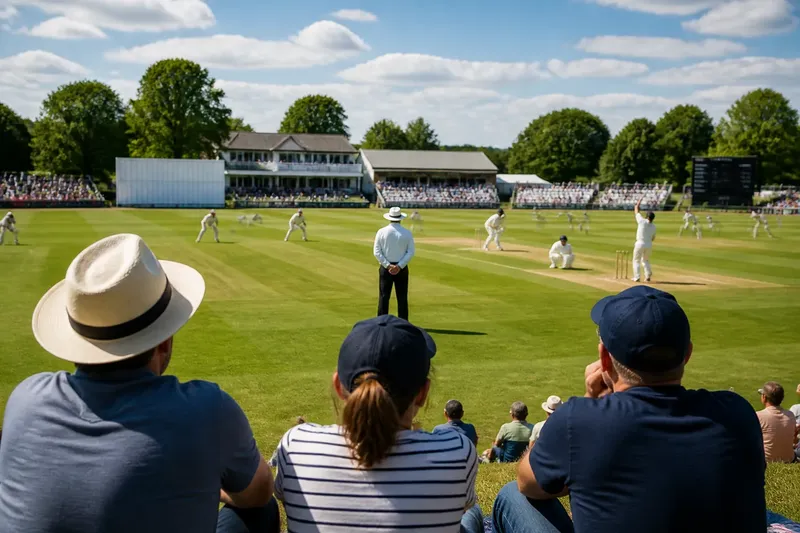
The most common mistake when following a cricket over is counting every delivery as one of the six balls. A wide or no-ball does not count as a legal ball, so the over can include extra deliveries. Track the umpire’s call and the legal-ball count to keep your place.
What does an over count?
An over consists of six legal deliveries bowled from one end of the pitch. When the six legal balls are complete, the over ends. The next over begins from the opposite end.
A wide or no-ball does not count toward those six legal balls. Play continues after the call, and the batting side may receive an extra run under the applicable playing conditions. The umpire’s signal and the official score help identify the call; the bowler then delivers again.
Other events can affect the score without changing the count in the same way. Runs, a boundary, or a dismissal can occur on a legal delivery, which still counts as one ball in the over.
How can you follow the ball count?
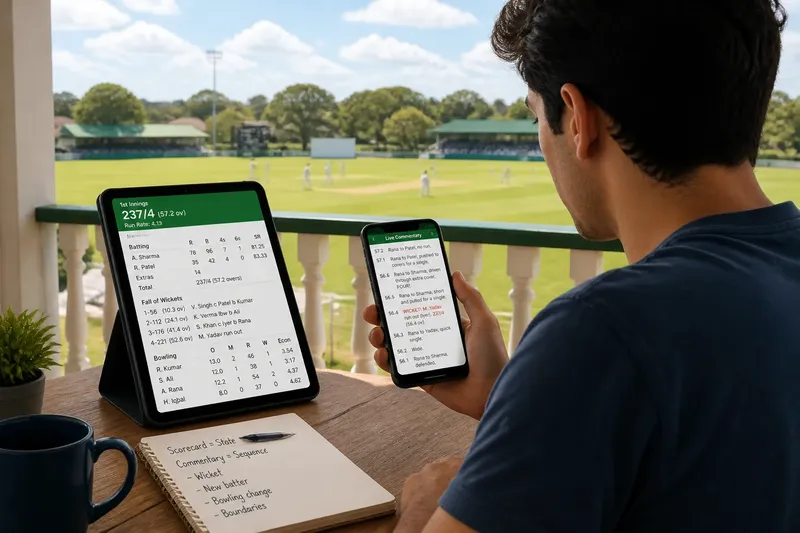
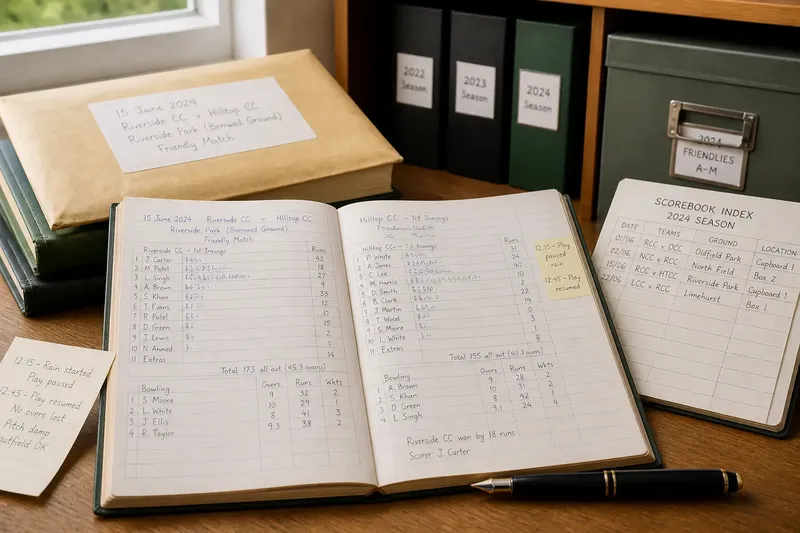
Start by noticing the bowler and the end they are using. After each delivery, listen for the umpire’s call. Count only legal balls, and use the scoreboard or scorer’s record if you lose track.
- Identify the starting point. Note the bowler and the end of the pitch. If you join mid-over, check the score display for the current legal-ball count instead of guessing.
- Watch for the decision. Listen for the umpire’s call after each delivery. If it is a wide or no-ball, do not advance your legal-ball count; if it is not, advance it by one.
- Check the count after an extra. If the display or scorer shows the count unchanged, keep waiting for legal balls; if the display is unclear, follow the umpire and scorer rather than counting raw deliveries.
- Mark the over’s end. When six legal balls have been completed, reset your count to zero for the next over; if another legal ball is still due, keep the current count.
- Check the new end and bowler. The end alternates for the next over. A different bowler is usual, but do not assume the bowler must change in every circumstance; if the official lineup or playing conditions are unclear, rely on the scorer or match officials.
- Carry the match context forward. Check which batters remain and the score at the break. If a wicket has fallen, note the incoming batter; otherwise, keep following the same pair.
Say you arrive while the display shows four legal balls in the over. The next delivery is called wide. Keep the count at four and wait for two more legal balls. If the following deliveries are legal, the second completes the over; the wide may affect the score, but it does not advance the count.
Why is an over a useful viewing unit?
An over creates a natural pause. Batters can change ends after running, fielders can reset, and the next bowler prepares. Use the break to check who is batting, the current score, and who is getting ready to bowl.
Following one over at a time also makes the action easier to read. Notice whether the batters defend, take runs, or attempt boundaries, then see how the fielding side responds. The score and match situation carry forward; only the legal-ball count starts fresh.
At the break, check the batters, score, and next end before looking away.
What affects the count besides an extra?
The umpire’s call determines whether a delivery is legal for the over count. A wide is judged too far from the batter to be played fairly. A no-ball follows an infringement, such as an illegal delivery. Neither counts as one of the six legal balls.
Do not infer legality from whether the batter hits the ball or runs. A missed shot can still be a legal delivery, while a ball that passes the batter may be called wide. Follow the call rather than the outcome.
How do over limits vary by format?
The six-legal-ball structure is the basic unit, but innings limits depend on the match format and conditions. Limited-overs matches have an allocation of overs. Multi-day cricket is not generally organized around the same fixed innings limit, and playing conditions can affect how overs are managed.
For an unusual call or competition-specific rule, use the official score and the competition’s playing conditions. For ordinary viewing, count legal balls and avoid applying a rule from another format without checking.
Which questions about a cricket over come up most often?
Does a wide count as one of the six balls?
No. A wide does not count as a legal ball, so the over continues until six legal deliveries are complete. Check the umpire’s signal if you are unsure.
Does a no-ball count toward the over?
No. A no-ball is not one of the six legal balls, and another delivery is due. Its scoring consequences depend on the applicable playing conditions.
Does the bowler change after every over?
The end alternates at the over break, while a different bowler is usual. The precise bowling limits and any unusual circumstances depend on the competition’s rules, so follow the official score and playing conditions.
Can an over end with a wicket?
Yes. If a dismissal occurs on the sixth legal delivery, the over is complete; if the innings continues, a batter may come in for the next over. The dismissal’s effect depends on the type of wicket and the playing conditions.
What should you check at the over break?
Confirm that six legal balls have been completed, then note the batters, score, and end for the next over. The end alternates, but a different bowler is usual rather than an absolute rule. If the display and what you saw seem inconsistent, check the scorer’s count before assuming the over has ended.
Keep the phrase “six legal balls” in mind when following a cricket over. It helps you separate extra deliveries from the count and recognize the change of ends without losing track of the match.