A First Informal Cricket Afternoon: Make a Game from What Is Ready
Plan an informal cricket afternoon around the players, space, and kit you already have, so everyone knows the rules, takes a turn, and feels welcome.

The most common mistake in planning a first informal cricket afternoon is trying to copy a full match before checking who is coming, where they can play, and what equipment is available. That can leave people waiting for roles they never get, or turn a relaxed gathering into an argument over rules. A better plan starts with what is ready and agrees on a small, clear game before anyone picks up a bat.
How do you organize an informal cricket afternoon?
Choose a time and a suitable open space, ask who expects to join, then match the format to those answers. You do not need teams of equal size or a full set of cricket gear. You do need a shared understanding of the playing area, how a player gets out, and how turns will rotate.
Before inviting people, check whether the space allows ball games and whether other visitors have the right to use it. A quiet park lawn, a school field with permission, or a spacious backyard may suit a soft-ball game. Keep away from roads, windows, parked cars, and areas where a missed shot could reach people who are not playing.
Ask invitees to say whether they want to bat, bowl, field, or just watch. That gives you a useful head count without making attendance feel like a commitment to play every role. Tell newcomers that beginners are welcome and that you will settle the rules together when everyone arrives.
Say you have a small group, a clear patch of grass, one bat, and a soft ball. You could invite everyone to bring water, explain that the session will use a single batter at a time, and plan to rotate roles after a short agreed turn. The expected result is a game people can start with the available kit, rather than a canceled afternoon while someone searches for matching equipment.
Send one short message with the meeting place, start time, the kind of ball, and any useful clothing suggestion. Mention uneven ground or limited shade if those features affect comfort. Keep the invitation welcoming and specific: “Bring sneakers if you have them; no cricket experience needed.”
What space is suitable for a casual game?
Use a space where the ball can travel without putting people or property at risk. A broad, level area makes running and fielding easier, but a casual game can work without a formal pitch. Pick a visible boundary, such as a line of cones or a patch of grass between two landmarks, and make sure everyone understands what happens when the ball crosses it.
Walk the playing area before starting. Look for holes, roots, wet patches, loose objects, and places where a fielder might collide with a passerby. Move the game to a safer part of the space if the area is crowded or the ground is unsuitable. Do not use a hard ball in a confined yard or near people who are not part of the game.
For wickets, use lightweight stumps if available, or agree on a safe substitute such as a pair of cones. Avoid objects with sharp edges, heavy bases, or parts that could injure someone if knocked over. Mark a simple batting area with cones or a visible line. A clear landmark is easier to judge than an invisible crease everyone remembers differently.
Decide whether batters can run between wickets, score by reaching a boundary, or use both options. If there is little room, use a smaller boundary and count a ball that reaches it as a score without running. Keep the boundary far enough from other park users that fielders do not need to chase the ball into a busy area.
What equipment do you need to begin?
Start with a bat, a suitable ball, and something safe to use as a target. If the group has no cricket bat, a broad, sturdy paddle may work for a very informal version, provided everyone agrees on it and it is safe to swing. Choose a soft ball for mixed experience or a compact space; the ball should suit the playing area and the people taking part.
Do not assume that every player needs a full personal kit. People can take turns with shared equipment, and fielders may be able to play in comfortable clothes and closed-toe shoes. Anyone who wants protective gear should have access to properly fitting equipment appropriate to the ball. Follow the equipment maker’s directions, and check any facility rules before play.
- Bring water and a place to set bags away from the playing area.
- Use cones, chalk, or visible landmarks to show the boundary and batting area.
- Keep a spare soft ball handy if one is available, rather than stopping to search after every lost ball.
- Agree who will look after shared equipment and return it after the session.
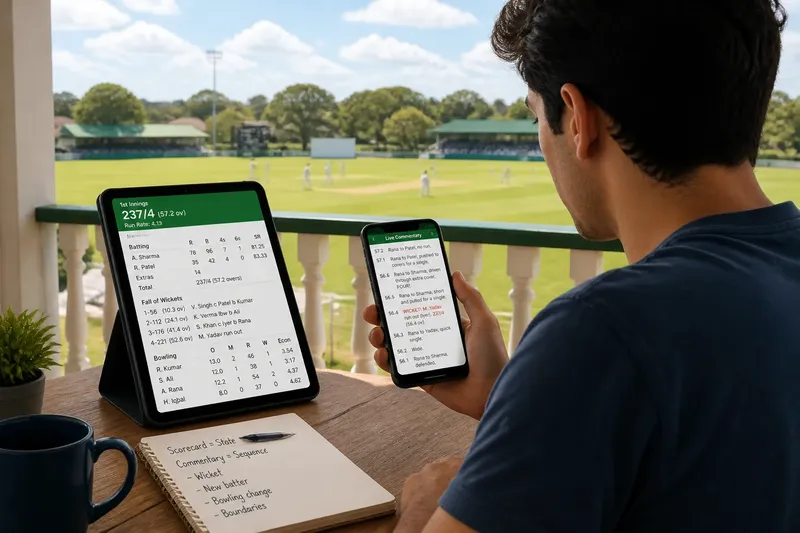
- Choose a simple way to remember the score, such as calling it aloud or using a phone note if someone wants to keep track.
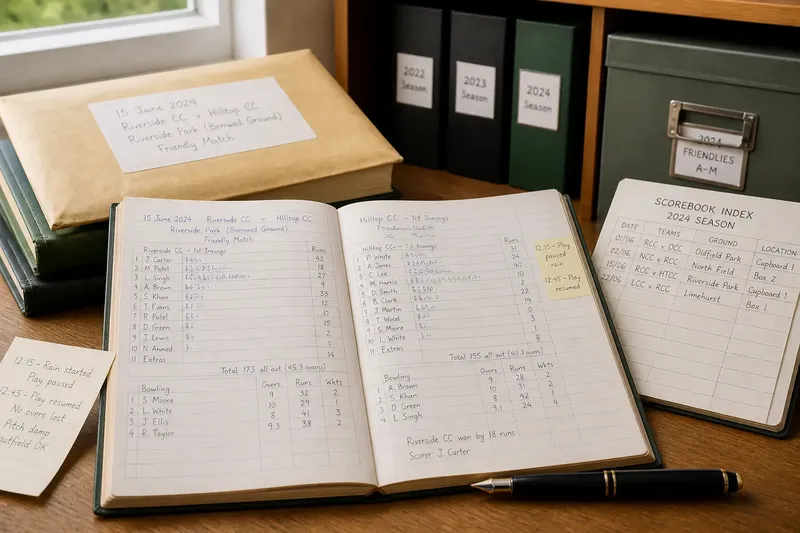
Scorekeeping is optional. If keeping score slows the group down, drop it and focus on taking turns. This is a playing session, not a test of anyone’s knowledge of formal cricket.
Which rules should everyone agree on before the first ball?
Agree on a few rules that settle the likely disputes: how a batter gets out, what counts as a score, who bowls next, and how turns change. Keep the rules short enough that someone can repeat them. A casual format can borrow from cricket, but it does not need to reproduce every law of a formal match.
One workable setup is to give each batter a short turn, then switch them with a bowler or fielder. Decide whether a catch counts as out, whether the ball must hit a marker to dismiss the batter, and whether players can be run out. If those decisions feel too complicated for the group, simplify them: for instance, use just one agreed way to be out and let everyone bat in turn.
Set expectations for disagreement before one happens. Ask players to pause and make a quick decision together, or replay a close call if the group cannot agree. Name a person to help settle disputes, but make clear that their role is to keep the game moving, not to enforce professional standards.
Agree on a stop signal. Anyone should be able to call “stop” if a person walks into the play area, a ball heads toward a hazard, or someone needs a break. Resume only when the area is clear and the group is ready.
How can you include beginners and different skill levels?
Give beginners a clear first role and an easy way to try another. A newcomer might start as a fielder beside an experienced player, then bat with a gentle underarm delivery. Let the batter ask for a slower ball or a practice swing before their turn starts.
Rotate roles instead of leaving the same confident players to bat and bowl throughout. A person who does not want to bat can help return the ball, keep score, or watch from a safe spot. Do not treat those choices as lesser participation; people may want different levels of activity, and that can change during the afternoon.
Use a rule that lowers pressure without making a player the focus of attention. For example, allow a batter to miss one delivery without being out, or let a fielder throw the ball back rather than bowl. Ask the group whether the adjustment works, then keep it if play remains enjoyable and clear.
Say you have several first-time players and one person who has played before. The experienced player could demonstrate a relaxed bowl, then take a fielding turn while a beginner bats. The expected observable result is that newcomers get a chance to try the central roles while the experienced player still contributes without controlling every decision.
What questions do people ask before their first casual cricket game?
How many people do you need for informal cricket?
You can play with a small group by rotating batters, bowlers, and fielders. If only a few people arrive, simplify the format so everyone gets a turn and no one has to field a large area alone.
Can you play cricket without proper stumps?
Yes, a casual game can use a safe, visible substitute such as cones, provided everyone agrees what counts as hitting the target. Do not use heavy or sharp objects as makeshift wickets.
What ball is best for a beginner’s cricket afternoon?
Choose a ball suited to the space and the players, often a soft ball for a low-pressure session. The group should be comfortable with how it moves and with the protective equipment, if any, that the chosen ball requires.
Do you have to keep score in a casual cricket game?
No. You can count runs if the group enjoys it, or play for turns and successful hits instead. Decide before play so nobody assumes that a score is being tracked.
How do you keep the session relaxed once play starts?
Start with a brief warm-up: pass the ball, let each interested player try a gentle hit, and check that everyone can see the boundary. Then begin with the simplest version of the rules. If a rule keeps interrupting play, pause and change it by agreement rather than letting confusion build.
Watch for signs that someone is tiring, uncomfortable, or ready to stop. Offer a water break and a chance to swap roles. Keep the ball under control when people are nearby, and end play if the space becomes crowded or conditions make it difficult to continue safely.
After the last turn, collect the ball, bat, cones, and personal belongings. Ask what players would like to keep or change next time: perhaps a different boundary, shorter turns, or more time for beginners to practice. That small conversation gives the next informal cricket afternoon a useful starting point without turning this one into a tryout.
A first informal cricket afternoon works best when the invitation matches the space and equipment, and the rules fit the people who actually arrive. Keep the plan flexible, but settle the important expectations before the first ball. That is enough structure for a fair, welcoming game—and enough freedom for players to make it their own.